


Today marks the day Thailand’s King Bhumibol Adulyadej ascended to the throne upon his brother’s death in 1946. With his death marking the end of the world’s longest reigning monarch, the seventy years of his reign have been marked with both controversy and esteem.
Bhumibol’s reign saw Thailand’s monarchy survive tumultuous decades of conflict and war in the greater Mekong region. Through socialist revolutions nearby and coups at home and abroad, Bhumibol’s reign was a constant throughout.

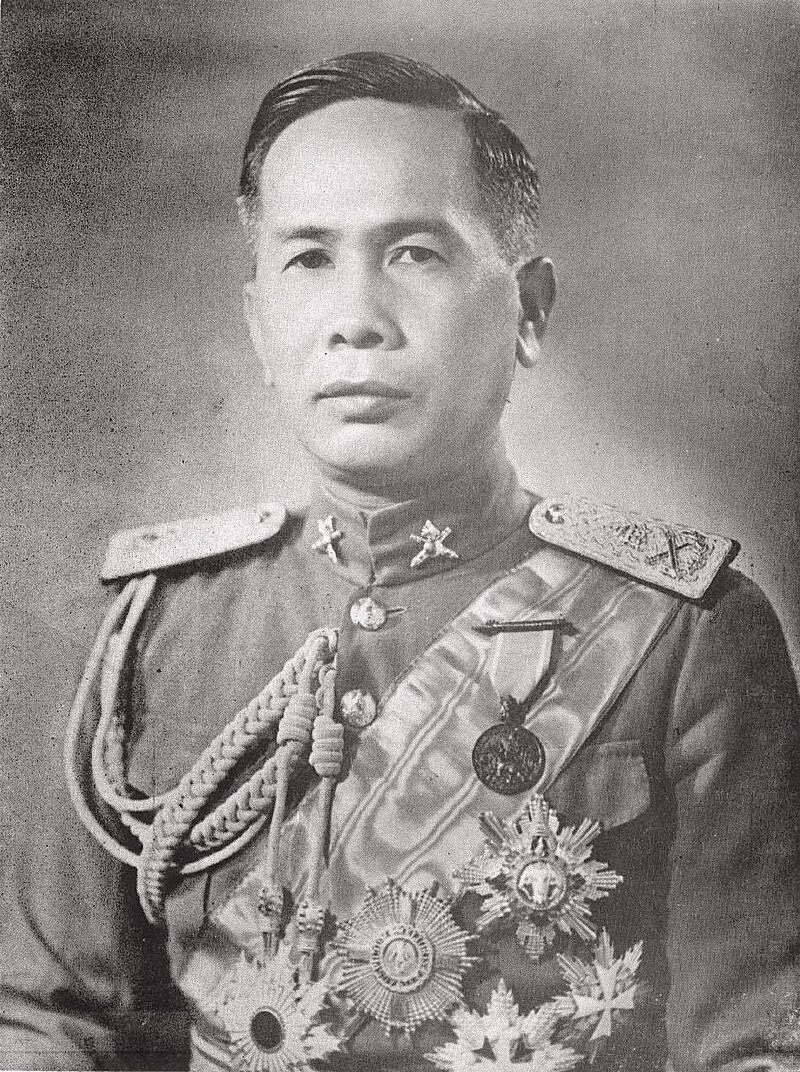
Ascending the throne during the military dictatorship of Plaek Phibun, the monarchy held little to no political power. Thailand’s ancient tradition of absolute monarchy had been abolished by Phibun a decade prior, and the duties of the king were now mostly ceremonial. With Phibun’s ultranationalist policies and aggressive modernization, Thailand’s life expectancy jumped ten years in the four years following Phibun’s reinstatement. Phibun’s government, was however structured largely in the mold of Benito Mussolini’s fascist Italy and collaborated with Imperial Japan during the war, guaranteeing the safe passage of Japanese troops invading Malaya.
Eleven years into Bhumibol’s reign, Phibun faced pressure to step down during accusations of lèse-majesté—the crime of disrespecting royalty. With Phibun refusing to step down against the advice of the king, Sarit Thanarat—a rising general—seized power later that day. Bhumibol declared martial law a few hours later, proclaiming Sarit the capital’s guardian.
Bhumibol’s role and powers under Sarit grew tremendously, with the king representing the nation on trips abroad and once more performing some of the duties of state. Rather than the national day of celebration being the anniversary of the 1932 coup that overthrew the absolute monarchy, it was Bhumibol’s birthday. Passersby would often have to crawl in the presence of the king, a practice forgotten for decades.
With Sarit’s death in 1963 and communism taking root to the east, political tensions began to run high. Student protesters and dissident activity grew in urban centers, culminating in the Thammasat University Massacre. Paramilitary, anti-communists, and military forces marched on the university after word spread of a play put on by students which featured a mock hanging of the crown prince. From sunrise to noon forces fired into the university filled with trapped protesters, with reports of 50 to 100+ killed — forever a stain on the king’s reign.
With the king’s death in 2016, the effects of his reign are still felt in the region. Ruling through dozens and dozens of prime ministers and regional wars and political developments, King Bhumibol’s presence is inextricable from the Thai story—perhaps one of the few constants in the ever so intricate fabric of the land’s history.